Acacia Gum as a Natural Anti-Plasticizer for the
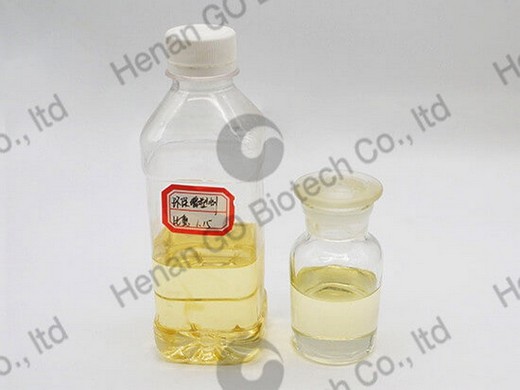
- Classification:Chemical Auxiliary Agent, Chemical Auxiliary Agent
- Other Names:Plasticizer
- Purity:99%, 99%
- Type:Plastic Auxiliary, Plasticizer For Pvc
- Usage:Coating Auxiliary Agents, Electronics Chemicals, Leather Auxiliary Agents, Plastic Auxiliary Agents, Rubber Auxiliary Agents
- MOQ:1000KG
- Package:25kg/drum
- Application:PVC Plasticizer
The thermoplastic and hygroscopic behaviors of date syrup (DS) challenge the DS drying process. In this context, DS was mixed with 30%, 40%, 50%, and 60% acacia gum (AG) and subjected to a drum dryer. The chemical
The thermoplastic and hygroscopic behaviors of date syrup (DS) challenge the DS drying process. In this context, DS was mixed with 30%, 40%, 50%, and 60% acacia gum
Acacia Gum as a Natural Anti-Plasticizer for the Production
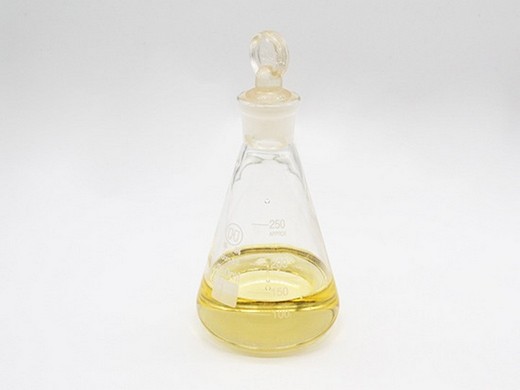
- Classification:Chemical Auxiliary Agent
- Other Names:Plasticizer
- Purity:99.9%
- Type:Plastic Auxiliary, Plasticizer For Pvc
- Usage:Coating Auxiliary Agents, Leather Auxiliary Agents, Paper Chemicals
- MOQ:200kgs
- Package:200kgs/battle
- Payment:T/T
- Certificate::COA
It is verified that the AG can be used as a natural anti-plasticizer agent for DS powder production and the monolayer moisture content decrease with increasing AG
(e.g. synthetic anti-plasticizer and anticaking agents) is usually preferred as they may negatively a ect the product’s sensory properties (e.g., flavor and color) [20]. On the other hand, an insu
Acacia Gum as a Natural Anti-Plasticizer for the Production
- Classification:Chemical Auxiliary Agent, Chemical Auxiliary Agent
- Other Names:Plasticizer
- Purity:99%min
- Type:Adsorbent
- Usage:Leather Auxiliary Agents, Plastic Auxiliary Agents, Rubber Auxiliary Agents
- MOQ:25kg/bag
- Package:200kg/drum
- Place of Origin::China
According to the data reported in the present study and a previous effort on date powder production [19], it can be highlighted that both AG and maltodextrin can be used as effective
Gum produced from the Acacia senegal tree, also known as gum arabic (GA), is the oldest and most well-known exudate gum commercially used for more than 5000 years. In
Advances in gum Arabic utilization for sustainable
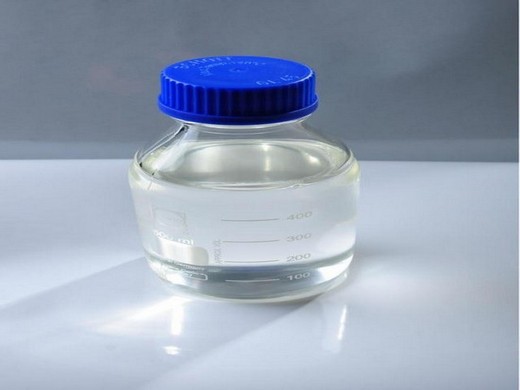
- Classification:Chemical Auxiliary Agent
- Other Names:Plasticizer
- Purity:99.0%Min
- Type:Oil drilling
- Usage:Leather Auxiliary Agents, Plastic Auxiliary Agents, Rubber Auxiliary Agents
- MOQ:200kgs
- Package:200kgs/battle
- Quality control:COA ,SDS,TDS
- Delivery:Within 7-15 Days
). GA presents great film-forming
INTRODUCTION. Gum arabic (GA) or acacia gum is the exudate from the Acacia senegal and Acacia seyal trees, belonging to Leguminosae family (Fig. 1).It’s a complex, branched heteropolysaccharide, either neutral or
A Review on the Main Phytoconstituents, Traditional Uses,
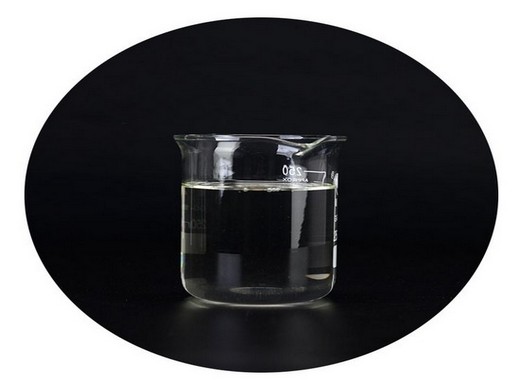
- Classification:Chemical Auxiliary Agent
- Other Names:Plasticizer
- Purity:99.5
- Type:Plasticizer Colorless Oily Liquid for pvc and rubber
- Usage:Coating Auxiliary Agents, Leather Auxiliary Agents, Plastic Auxiliary Agents, Rubber Auxiliary Agents
- MOQ:1000KG
- Package:25kg/drum
- Sample:Availabe
- Application:Plasticizer
- Delivery:Within 7-15 Days
From the first Egyptian Dynasty (3400 B.C.), gum Arabic (or gum acacia) was used in crafts for the production of ink (mixture of carbon, gum, and water) and also in human and veterinary
Gum Arabic (GA) is a mixture of polysaccharides and glycoproteins secreted from Acacia senegal, Acacia seyal, and Acacia nilotica trees' stems. The high spot of this chapter was to review the
- Does Acacia senegal produce gum?
- Among different gum-producing Acacia species, systematically planting for gum production is done only for Acacia senegal; from the remainder, gum production comes from naturally growing trees. The gum production taking place due to artificial injury is known as tapping, which is required for Acacia senegal.
- Is acacia gum a sustainable source of income in Africa?
- Hundreds of thousands of poor Sudanese are dependent on acacia gum for their livelihoods. If tapped properly, GA can be a sustainable source of income in the poverty-ridden Africa. Ingestion of GA as food additive still faces regulatory issues from the European Commission (EC).
- What is gum arabic?
- Gum arabic is a commercially important exudate gum from Acacia senegal trees. It supports livelihood of resource constrained gum gatherers across the world. Gum inducer method can be used for sustainable tapping with least damage to trees. Gum arabic production, processing, properties and applications are discussed.
- Is gum arabic a good biopolymer for food packaging?
- Gum Arabic (GA) is a promising natural biopolymer for food packaging. The structure and properties of GA are outlined. The techniques used to enhance physical properties of GA-based films are concluded. The strategies used to improve functional properties of GA-based films are reviewed.
- Is acacia gum A heteropolysaccharide?
- International Journal of Food Properties 2012, 15, 891–902. Gum arabic (GA) or acacia gum is the exudate from the Acacia senegal and Acacia seyal trees, belonging to Leguminosae family (Fig. 1). It’s a complex, branched heteropolysaccharide, either neutral ...
- What causes gum formation in Acacia senegal trees?
- Gum formation in Acacia senegal trees takes place in the cambial zone of the stem or branch, which is promoted by stress conditions like drought, heat, insect attack or natural or artificial injury (Joseleau and Ullmann, 1990).